
Using AI wisely
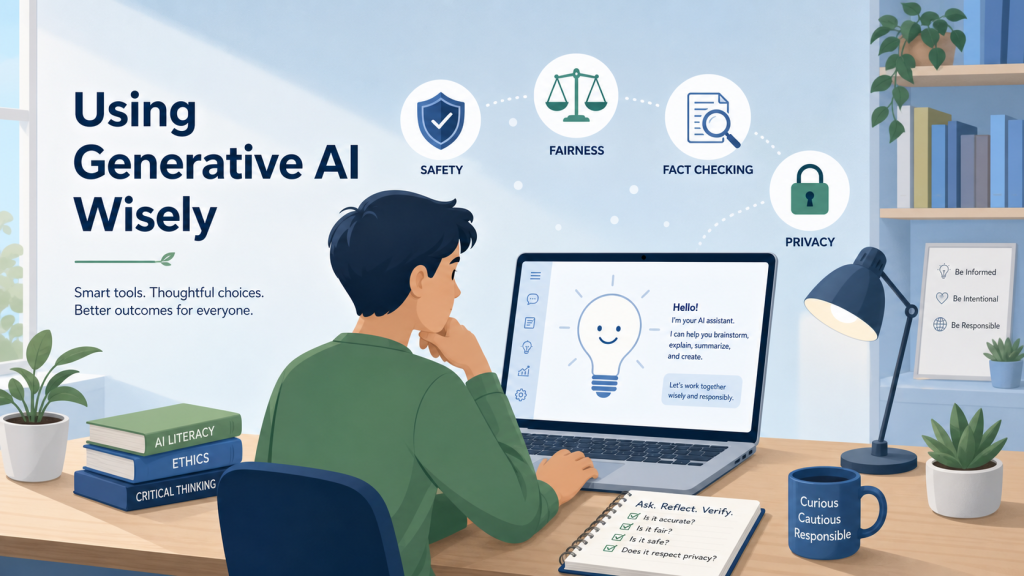
Gary Marcus writes a very interesting but also very sceptical Substack on generative AI. I have found a lot of very interesting information in his posts, and I agree with many of his statements. I have recently found the following quote which captures very well his – and my – approach to AI and, in particular, AI coding tools:
AI coding tools are genuinely revolutionizing the software industry, but more than almost anything I have ever seen, they fall into the category of things you maybe shouldn’t try at home without significant prior experience
I have recently been increasing my use of generative AI, mainly for literature search and synthesis, and for coding. But I am doing it very cautiously and starting with a lot of pre-existing experience, so Marcus’ point is both a confirmation and a warning to me.
Marcus’ quote is also, I think, an excellent starting point for how we should approach educating our students. As I am looking at my teaching commitments this Autumn – a second-year statistics course and a master’s statistics course – I am fully aware that almost everything I teach them can be solved by genAI. If they use Claude Code, or a similar agentic AI, they can produce a full report including R code.
So, what is the point of teaching them how to actually carry out ANOVA, linear regression, or design an experiment? They can easily
Marcus also quotes a new paper which just appeared in BMJ – a medical research journal, with a typically understated conclusion:
The audited chatbots performed poorly when answering questions in misinformation-prone health and medical fields. Continued deployment without public education and oversight risks amplifying misinformation.
This post will appear on my Substack, StatisticallySkeptical. I have recently been really enjoying reading posts there and would like to be part of the Substack revolution – it feels at times like Twitter in the good old days!
I do not plan to fully abandon my blog here, but some of the pieces will definitely move to Substack.